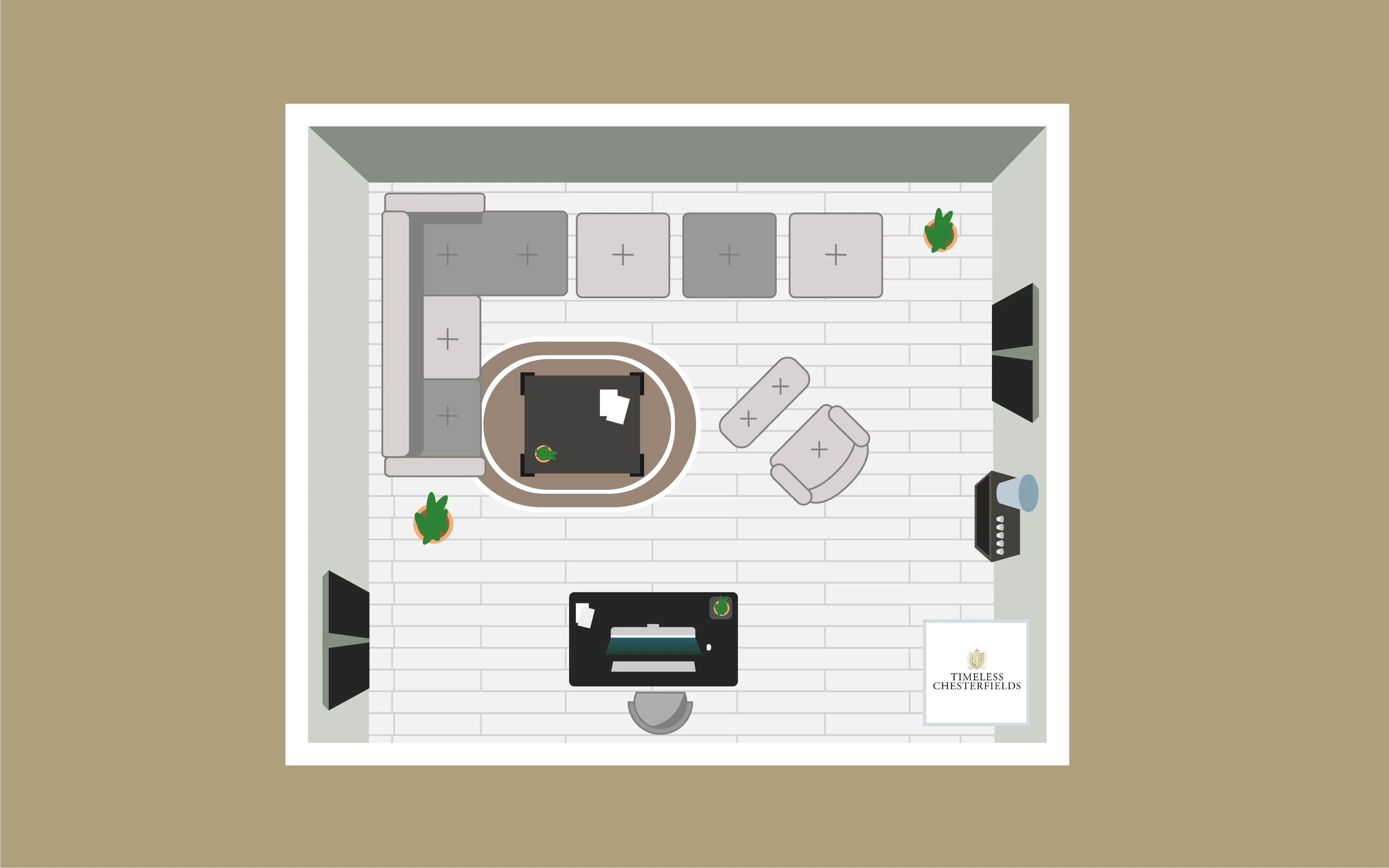
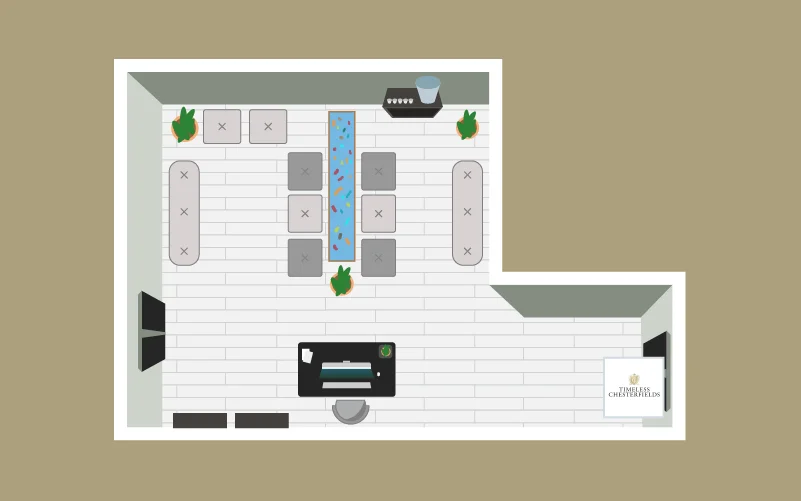
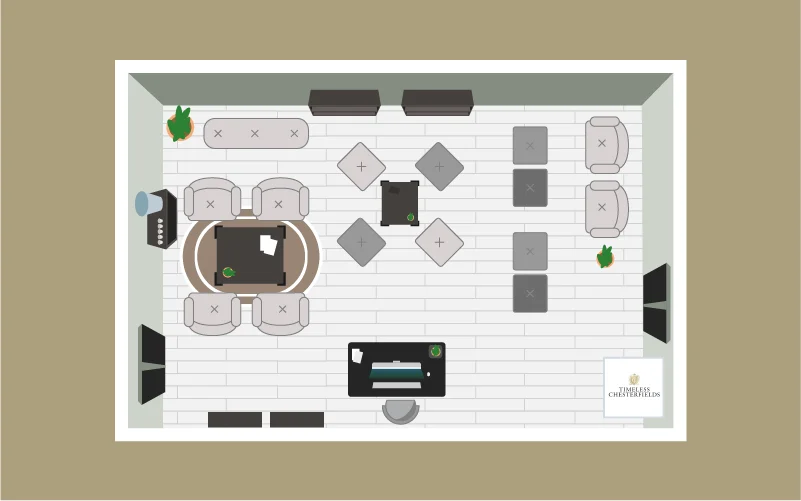
You should also think carefully about the seating needs of the people who use your services. For instance, are your clients generally people on their own, or do they typically bring a partner, family member, or child with them? Are they mostly older or younger? If your clients are almost always alone, armchairs are likely to be a more appropriate option — people generally prefer not to share a couch with a stranger. Or, if your waiting room will mostly be catering to families, then a couple of large sofas might be more suitable.
If your waiting room needs to suit lots of different types of clients on any given day, then it’s often best to provide a choice of different seating options, including smaller couches, armchairs, and three-seater sofas. Loveseats(sometimes called ‘1.5-seater’ sofas) are a very versatile option for waiting rooms, as they can comfortably seat a couple, a small family, or a single person without taking up too much space.
It’s also important to choose a style of seating that is appropriate for the age and health of your guests. Very low, deep armchairs and sofas might be comfy, but they can also be difficult for older or less mobile clients to get out of, so you may want to go for something higher, with armrests to help your clients support themselves as they move. Again, it’s best to provide a few different seating options if you’ve got the space — this way, your guests can pick the best options for them. Additionally, you always want to have space for guests who use wheelchairs or other mobility aids.
For more help choosing waiting room seating, read our sofa buying guides section, where you can find detailed advice on measuring for your sofa, picking a comfortable couch, and choosing the right fabric.
 GBP (£)
 EUR (€)
 USD ($)
 FR (€)

.webp)
.webp)
.webp)
.webp)
Comments (0)